
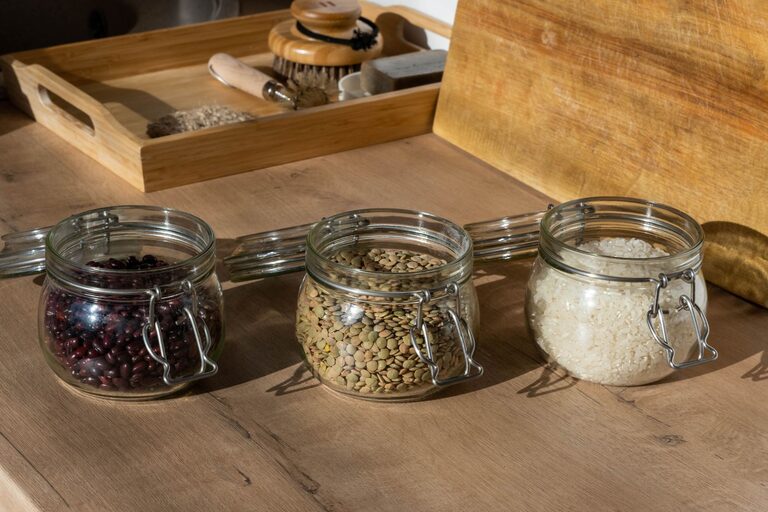
When life gets busy, planning meals from pantry staples can be a real lifesaver. By using ingredients you already have on hand, you can save time, reduce grocery trips, and minimize food waste. Whether you’re new to cooking or just looking to streamline your weekly meal prep, learning how to plan meals using pantry staples is a smart strategy. This guide will help you make the most of your kitchen essentials and put together satisfying meals with confidence.
Why Plan Meals From Pantry Staples?
Pantry staples are non-perishable or long-lasting ingredients – like dried pasta, canned beans, rice, and spices – that form the foundation of many recipes. Planning meals around these items means:
– Convenience: You have ingredients ready to go without last-minute trips to the store.
– Cost savings: Buying pantry staples in bulk can lower your food expenses.
– Less food waste: Using what you already have prevents items from expiring unused.
– Creative cooking: Pantry staples encourage experimentation with flavors and dishes.
Step 1: Take Inventory of Your Pantry
Before meal planning, take a few minutes to check what’s in your pantry. Group items into categories such as:
– Grains and pasta (rice, quinoa, spaghetti)
– Canned and jarred goods (tomatoes, beans, vegetables)
– Baking essentials (flour, sugar, baking powder)
– Oils and vinegars
– Spices and herbs
– Nuts, seeds, and dried fruit
Write down what you have and note any quantities or expiration dates. This inventory will help you spot meals you can make immediately and ingredients that need to be used soon.
Step 2: Choose a Protein Source
Many pantry staples include great protein options, especially plant-based sources. Consider:
– Canned beans or lentils
– Peanut butter or other nut butters
– Canned tuna or salmon
– Shelf-stable tofu or tempeh (if available)
Pairing these items with grains, pasta, or vegetables can create balanced meals.
Step 3: Find Simple Recipes Based on Your Staples
Now that you know what you have, look for recipes that highlight those ingredients. Here are some easy ideas using common pantry staples:
– Pasta with tomato sauce: Use canned tomatoes, garlic, olive oil, and dried herbs to make a simple sauce over spaghetti.
– Bean chili: Combine canned beans, diced tomatoes, onions, and chili powder for a filling stew.
– Rice and lentil pilaf: Cook rice with lentils, broth (or water), and spices for a nutritious side or main dish.
– Tuna salad: Mix canned tuna with mayonnaise or olive oil, plus chopped canned beans or pickles.
– Vegetable soup: Use canned vegetables, broth, and herbs to make a warming soup.
You can find many recipes online sorted by pantry ingredients if you want more inspiration.
Step 4: Plan Your Weekly Meals
Use your pantry inventory and recipe list to sketch out a meal plan for the week. Keep these tips in mind:
– Mix and match: Switch up proteins, grains, and sauces to keep meals interesting.
– Include fresh or frozen items: Add vegetables or fruits from your fridge or freezer for extra nutrients.
– Consider prep time: Choose quicker meals on busy days and more involved ones when you have time.
– Plan leftovers: Make extra portions for lunches or next-day dinners.
Writing down your plan helps you stay organized and reduces mealtime stress.
Step 5: Shop for Missing Fresh Ingredients
Once your meal plan is set, check what fresh items you need to complement your pantry staples. This could include:
– Fresh vegetables like onions, garlic, or bell peppers
– Fruits for snacking or dessert
– Dairy or alternatives (milk, cheese, yogurt)
– Fresh herbs
Buying only what you need keeps your shopping efficient and budget-friendly.
How to Store Pantry Staples for Longevity
Proper storage keeps your staples fresh and flavorful longer. Follow these tips:
– Store grains and flours in airtight containers to avoid moisture.
– Keep spices away from heat and light to retain potency.
– Transfer opened canned goods to sealed containers and refrigerate.
– Label and date items to track freshness.
Regularly check your pantry to rotate older items to the front, so you use them first.
Tips to Make Pantry Cooking More Enjoyable
– Experiment with spices: A pinch of cumin, paprika, or cinnamon can transform dishes.
– Prepare staples in bulk: Cook large batches of rice or beans and refrigerate for quick meals.
– Use pantry staples for snacks: Roasted chickpeas or spiced nuts are easy to store and satisfying.
– Keep a “meal idea” list: Save recipes you want to try based on pantry ingredients.
Conclusion
Planning meals from pantry staples is a practical and enjoyable way to feed your family. It encourages creativity, saves money, and makes cooking less stressful. With a little organization and some simple recipes, you’ll be able to whip up delicious meals anytime — all from the comfort of your pantry. Start today by taking stock of your staples and experimenting with easy dishes, and you’ll soon discover just how versatile your pantry can be!