Starting a compost pile at home is a rewarding way to reduce waste and enrich your garden soil. If you’re new to composting, it might seem a bit intimidating at first. But with a few simple tips and some basic knowledge, you can set up an effective compost system right in your backyard or even indoors. Here’s a straightforward guide to help you get started with composting at home.
What Is Composting?
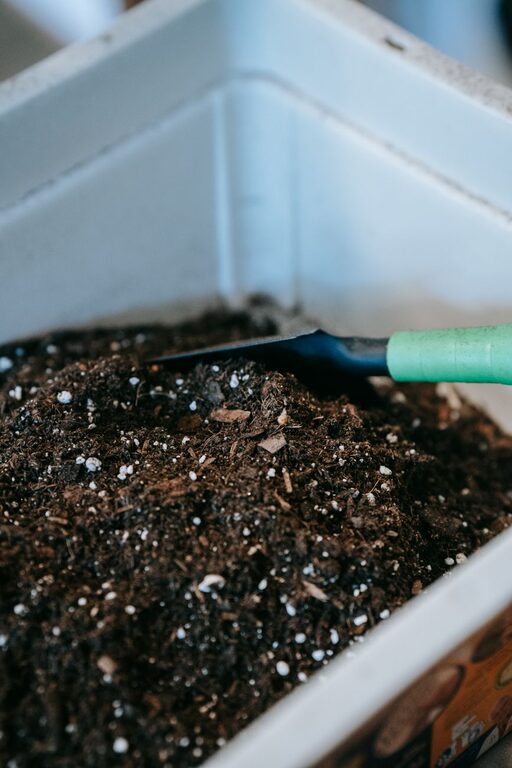
Composting is the natural process of recycling organic material, such as food scraps and yard waste, into a rich soil amendment known as compost. This process involves microorganisms breaking down the organic matter, turning it into a dark, crumbly, and earthy-smelling substance that can improve soil health and help plants thrive.
Why Compost at Home?
– Reduces waste: Diverts kitchen and yard waste from landfills.
– Improves soil: Adds essential nutrients to your garden or houseplants.
– Saves money: Reduces the need to buy commercial fertilizers.
– Helps the environment: Lowers greenhouse gas emissions by reducing waste.
Getting Started: What You Need
Choose Your Composting Method
There are several ways to compost at home, depending on your space and preferences:
– Outdoor compost bin: A simple bin or pile in your yard.
– Compost tumbler: A rotating container for faster composting.
– Worm composting (vermicomposting): Using worms to break down waste indoors.
– Bokashi: A fermentation method for kitchen waste that can be combined with traditional composting.
For beginners, an outdoor compost bin or a compost tumbler is usually the easiest to manage.
Select a Compost Bin
You can buy a compost bin or make your own from wood pallets, wire mesh, or even a plastic storage container with holes for aeration. The bin should be large enough to hold a good amount of material but manageable enough for you to turn and maintain.
What to Compost: The Basics of Compost Ingredients
Composting works best when you balance “greens” and “browns.”
– Greens: Nitrogen-rich materials. Examples:
– Fruit and vegetable scraps
– Coffee grounds and tea bags
– Fresh grass clippings
– Browns: Carbon-rich materials. Examples:
– Dry leaves
– Straw or hay
– Shredded newspaper or cardboard
– Sawdust (in small amounts)
Avoid these materials:
– Meat, dairy, and oily foods (attract pests and cause odors)
– Diseased plants or weeds with seeds
– Pet waste
– Inorganic materials (plastics, metals, glass)
How to Build Your Compost Pile
Step 1: Layer Materials
Start with a layer of coarse browns like straw or twigs for good drainage and airflow. Then alternate layers of greens and browns. Aim for about three parts browns to one part greens to keep your pile balanced.
Step 2: Keep It Moist
Your compost pile should feel like a damp sponge — not soggy or dry. If it’s too dry, add water or more green materials. If it’s too wet, add more browns or turn the pile to improve airflow.
Step 3: Turn the Pile
Turning your compost with a garden fork or shovel helps aerate it, providing oxygen to the microbes that break down the material. For outdoor piles, turning every 1-2 weeks speeds up decomposition. Compost tumblers make this step easy; simply rotate the barrel.
Step 4: Monitor Temperature
Active composting generates heat. A warm pile (between 130°F and 160°F) decomposes faster and helps kill pathogens and weed seeds. While a thermometer isn’t required, feeling heat in the middle of the pile is a sign of good activity.
Troubleshooting Common Composting Issues
– Bad odor: Usually caused by too much moisture or not enough air. Turn the pile and add dry browns.
– Pile is dry and slow to decompose: Add water and green materials.
– Pests or rodents: Avoid meat and oily foods; cover kitchen scraps with browns; consider a sealed bin.
– Pile won’t heat up: Add fresh greens and turn the pile to improve airflow.
Harvesting and Using Your Compost
Depending on conditions, compost can take anywhere from a few months to a year to mature. Finished compost looks dark and crumbly and has an earthy smell. Use it to:
– Enrich garden beds and flower pots
– Mulch around plants to retain moisture
– Improve lawn soil by spreading a thin layer
Tips for Successful Home Composting
– Chop or shred large scraps to speed decomposition.
– Keep your compost pile at least 3 feet wide and 3 feet tall for optimal heat retention.
– Avoid adding too many citrus or onion scraps, which may slow the process.
– Start small and expand as you get comfortable.
– Keep a small container or compost caddy in your kitchen to collect scraps easily.
Final Thoughts
Composting at home is simple and environmentally friendly. With just a little attention, you can reduce waste and create nutrient-rich compost to support your gardening efforts. Whether you have a large backyard or just a small balcony, there is a composting method that can work for you. Start today, and enjoy the benefits of turning your kitchen and yard waste into garden gold!