Stretching is a simple yet powerful way to boost your physical health and overall well-being. Whether you want to improve your flexibility, reduce muscle tension, or simply feel more relaxed, incorporating stretching into your daily routine can make a big difference. The best part? You don’t need any special equipment or a gym membership — stretching at home is convenient and accessible for everyone.
In this beginner’s guide, we’ll walk you through the essentials of stretching at home. You’ll learn why stretching matters, how to do it safely, and a variety of stretches that target different muscle groups. Let’s get started!
Why Stretch at Home?
Stretching regularly offers many benefits, including:
– Improved flexibility and range of motion
– Reduced muscle stiffness and soreness
– Better posture and muscle balance
– Increased blood flow and circulation
– Stress relief and relaxation
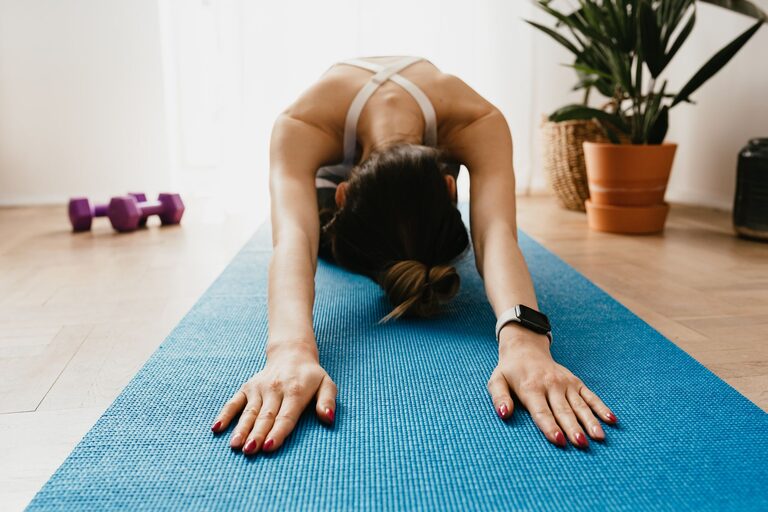
By stretching at home, you can create a peaceful space to care for your body without any distractions. Plus, it’s easy to fit stretching into your schedule, whether in the morning, during breaks, or before bed.
Getting Started: Tips for Safe Stretching
Before jumping into stretches, it’s important to practice safely:
– Warm up first: Stretching cold muscles can lead to injury. Try 5 minutes of light activity like walking or marching in place.
– Move gently: Avoid bouncing or forcing a stretch. Ease into each position slowly.
– Hold steady: Aim to hold each stretch for 15 to 30 seconds to allow your muscles to relax.
– Breathe deeply: Focus on smooth, deep breaths to help your muscles loosen and calm your mind.
– Listen to your body: Stretching should feel good, not painful. If you feel sharp pain, ease off the stretch.
Basic Stretching Routine for Beginners
Here’s a simple routine that covers key muscle groups. Perform these stretches 2-3 times a week or daily if you like.
1. Neck Stretch
– Sit or stand up straight.
– Slowly tilt your head toward your right shoulder until you feel a gentle stretch on the left side of your neck.
– Hold, then switch sides.
– Repeat 2-3 times per side.
2. Shoulder Stretch
– Bring your right arm across your chest.
– Use your left hand to gently press your right arm closer to your body.
– Hold, then switch arms.
– Repeat 2-3 times per side.
3. Triceps Stretch
– Raise your right arm overhead and bend your elbow so your hand reaches down your back.
– Use your left hand to gently press your right elbow.
– Hold, then switch arms.
– Repeat 2-3 times per side.
4. Chest Opener
– Stand or sit tall.
– Clasp your hands behind your back and gently squeeze your shoulder blades together.
– Lift your chest slightly and hold for 15-30 seconds.
5. Seated Forward Fold
– Sit on the floor with your legs straight out in front of you.
– Hinge at your hips and reach toward your toes, keeping your spine long.
– Stop when you feel a gentle stretch in your hamstrings.
– Hold for 15-30 seconds.
6. Hip Flexor Stretch
– Kneel on your right knee with your left foot in front, forming a 90-degree angle at both knees.
– Shift your weight forward slightly to feel a stretch in the front of your right hip.
– Hold, then switch sides.
– Repeat 2-3 times per side.
7. Cat-Cow Stretch (for spine flexibility)
– Start on your hands and knees in a tabletop position.
– Inhale, arch your back, lifting your chest and tailbone (Cow Pose).
– Exhale, round your spine, tucking your chin and tailbone (Cat Pose).
– Repeat this flow slowly 5-10 times.
8. Calf Stretch
– Stand facing a wall.
– Place your hands on the wall and step your right foot back, keeping it flat on the floor.
– Bend your left knee slightly while keeping your right leg straight.
– Feel the stretch in your right calf.
– Hold, then switch legs.
– Repeat 2-3 times per side.
Creating a Stretching Habit
To get the most from stretching, it helps to make it part of your routine:
– Pick a consistent time: Morning stretches can energize you, while evening stretches help you unwind.
– Set a reminder: Use your phone or calendar to remind you to stretch.
– Create a cozy space: Find a quiet corner with a mat or towel.
– Keep it short: Even 10 minutes a day can improve flexibility over time.
– Track your progress: Notice how your body feels and how far you can stretch after a few weeks.
Final Thoughts
Stretching at home is a gentle, effective way to enhance your health, no matter your experience level. Start slow, be patient with your body, and enjoy the feeling of greater ease and mobility. With regular practice, you’ll notice improved posture, less tension, and a greater sense of calm.
Remember, your body loves to move — stretching brings that movement in a mindful and nurturing way. So roll out your mat, breathe deeply, and give your muscles some well-deserved care today!